
An advancing violinist needs an instrument that responds well to their bow and suits their technique. These three acoustic violins cover a higher-tier workshop model and two complete outfits; auditioning the individual instrument is the best way to decide between them.
My top recommendation to audition is the Scott Cao 1679 Hellier STV-1500. Its Italian spruce top, aged Bosnian maple and ebony fingerboard make it a useful higher-tier workshop option to compare.
For a complete package, consider the D Z Strad Model 509 Maestro (4/4 Outfit). The 4/4 outfit includes a case and two bows, making it a useful alternative when you also need accessories.
The 3 Best Violins for Advancing Players (2026)
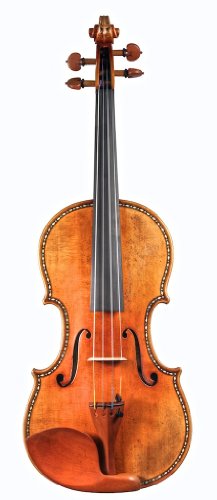


1. Scott Cao 1679 Hellier STV-1500
Pros
- Italian spruce top and aged Bosnian maple
- Indian ebony fingerboard
- Built and set up in Scott Cao’s Morgan Hill workshop
Cons
- Pricey
The Scott Cao STV-1500 Hellier is my first choice for an advancing player looking beyond a basic student outfit. The recommendation here is specifically the STV-1500 version. Scott Cao also offers other model tiers, so a Hellier name by itself does not identify the same instrument.
Scott Cao’s catalog specifies Italian spruce, aged Bosnian maple and an Indian ebony fingerboard for the STV-1500 tier. The maker offers copies of historic instruments, including their appearance and varnish treatment. Those construction details give you a useful starting point for comparing an instrument in person.
The Hellier pattern refers to an instrument design associated with Stradivari. A modern copy is not the historic violin, and the shared pattern does not guarantee an identical sound. Judge the actual violin for its response, balance and the range of colors you can produce with your bow.
I would put this model on an audition shortlist for a serious player who wants to compare workshop instruments. Play familiar passages at different dynamics, across all four strings and in the positions you regularly use. If possible, have a teacher or colleague listen from a distance while you compare it with your current violin.
2. D Z Strad Model 509 Maestro (4/4 Outfit)
Pros
- Full-size 4/4 outfit
- Case and two bows included
- Spruce-and-maple construction with antique varnish
Cons
- Included bows may not match your preferred playing feel
The D Z Strad Model 509 Maestro is the complete-outfit alternative in this shortlist. The exact 4/4 package includes a case, two bows, a shoulder rest and rosin. That makes it worth considering when you want to compare a ready-to-use package with buying the violin and accessories separately.
D Z Strad identifies a spruce top, maple back and sides, and an antique varnish finish. The model has an E-string fine tuner as standard. These are concrete construction and setup details; the violin’s response still has to suit the player using it.
The two supplied bows give you accessories to start with, but they are not a reason to give up a bow you already play well. Compare the violin with your usual bow first. Bow weight, balance and stiffness can change how comfortably you articulate a passage and how the instrument responds.
I would consider the 509 for an advancing player who values a complete outfit and wants an acoustic violin to audition. Check the exact package when ordering because accessories can differ between a maker’s direct listing and a retailer bundle. The recommendation here follows the full-size package with a case, two bows, shoulder rest and rosin.
3. Mikhail Vitacek Violin Outfit (4/4)
Pros
- Professional setup included
- 4/4 outfit with case and bow
- Ebony fittings and a fitted maple bridge
Cons
- Included outfit accessories may need upgrading as your preferences develop
The Mikhail Vitacek is my option for a player moving up from an entry-level instrument and wanting a professionally prepared outfit. Kennedy Violins positions it for advancing violinists and soloists. It is not a claim that every professional player will prefer it to a higher-tier workshop or individually made violin.
The outfit includes a case, bow, rosin and strings. Kennedy describes ebony fittings, a maple bridge fitted to the instrument and final setup by its in-house luthiers. Setup is particularly useful here because the bridge, nut, pegs and string height affect how the instrument feels under the hands.
The exact version in this guide is the full-size 4/4 outfit. It is separate from Kennedy’s Vitacek Master Series and Soloist models, which have their own identities. Do not rely on the Vitacek family name when comparing offers or looking at photographs.
I would choose it as an advancing-player package to try alongside your current violin. Keep the bow and shoulder rest you normally use available for the comparison, and discuss the setup with the shop if the strings or playing height do not suit you. Kennedy notes that outfit accessories can vary, so confirm the package you will receive.
Can a Catalog Violin Suit a Professional Player?
A catalog model can be worth auditioning, but a professional label is not a substitute for playing the individual violin. Players need different combinations of response, projection, tonal color and comfort. The bow, strings, setup and room also affect the result.
For a working player, compare the candidate with the instrument you already know. Include the quiet attacks, string crossings, high positions and sustained passages your repertoire requires. An instrument that sounds attractive under the ear may behave differently for a listener across the room.
What Should You Check During an Audition?
Start with comfortable playing rather than maximum volume. Check the response at a soft dynamic, the balance between strings, changes of bow speed and pressure, and whether the instrument speaks clearly in the positions you use. Ask someone else to play it too, so you can hear it as a listener.
Inspect the setup with a qualified shop or luthier. The bridge should fit correctly, the pegs should work smoothly and the string height should suit your technique. A change of setup may improve a problem, but do not assume every uncomfortable instrument can be made suitable with an adjustment.
Should You Buy an Outfit or Violin Only?
An outfit is convenient when you also need a case, bow and basic accessories. An experienced player may already own a preferred bow and case, which makes a violin-only purchase worth comparing. Count the items you genuinely need rather than choosing the package with the longest accessory list.
Check the shop’s trial and return arrangements before ordering. Keep shipping, insurance and the time needed for an audition in mind. A teacher, colleague or independent luthier can help you assess the instrument without relying on promotional tone descriptions.
Summary
Start with the Scott Cao 1679 Hellier STV-1500 if you want to compare a higher-tier workshop violin. The D Z Strad Model 509 Maestro (4/4 Outfit) is the complete-outfit alternative, while the Mikhail Vitacek gives advancing players another professionally set-up package to try. Choose the individual instrument that works with your playing.