
Whether you’re just starting out or performing at a large club, a good bass amp is essential for the right gig. Power needs depend on the drummer, the room and whether the PA carries the bass. Compare each amp’s standalone output, speaker setup and direct output before buying.
Bass is one of the most sought-after sounds in the music industry. Nothing comes close to how bass sounds feel going through your body and making your heart beat faster. To truly hit those low-frequency sounds when gigging, you need a capable bass amp that has enough power to deliver them.
My top recommended gigging bass amp is the Markbass MB58R CMD 102 PURE. The MB58R CMD 102 PURE combines the amp and speakers in a 30 lb rig, with useful EQ and a direct output for the PA.
My second recommended gigging bass amp is the Fender Rumble 500. The Rumble 500 is a straightforward option for players who want voicing switches, overdrive and an XLR output without a modeling menu.
The 7 Best Bass Amps for Gigging (2026)


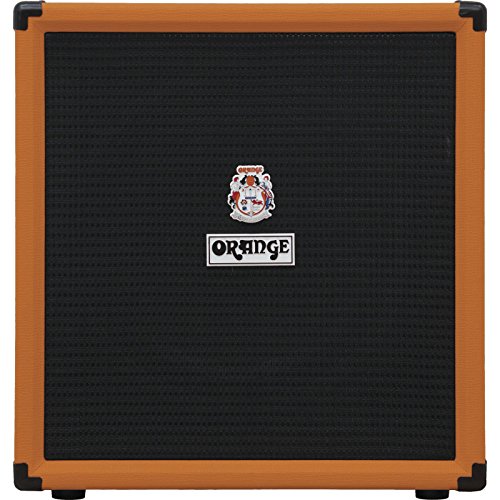
Let’s compare them in more detail:
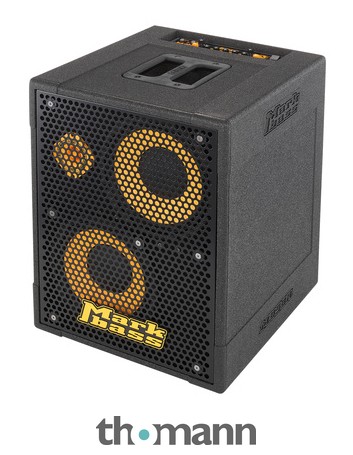
1. Markbass MB58R CMD 102 PURE
The Markbass MB58R CMD 102 PURE is a complete bass combo, so it needs no separate amplifier head. It replaces the Standard 104HF speaker cabinet previously listed here. This is a better fit for players seeking a single gigging amp rather than assembling a head-and-cabinet rig.
Pros
- Excellent build quality
- Lightweight
- Great sound quality
Cons
- Styling may not appeal to everyone
- No castor wheels
The PURE version pairs two 10-inch neodymium speakers with a high-frequency driver. Its lightweight enclosure keeps the whole combo at about 13.6kg (30lb). That matters when a gig involves stairs or a long walk from the car, although checking its dimensions is still worthwhile.
Output is 300W through the internal 8-ohm speaker load. The amplifier can reach 500W with a suitable extension setup that brings the total load to 4 ohms. Check the manual and cabinet impedance before adding speakers; the headline rating is not the standalone output.
Four-band EQ and the Old School filter let you shape the sound without a bank of presets. The XLR line output has pre/post-EQ selection, a level control and ground lift for connecting to the sound engineer. Choose the PURE version deliberately, since other CMD 102 variants use different speakers.

2. Fender Rumble 500
The Fender Rumble 500 remains a useful all-round gigging combo. At 36.5lb, it combines a manageable carrying weight with the EQ and connection options many working bassists need. Compare current prices rather than assuming it is always the cheapest choice.
Pros
- Straightforward tone and connection options
- 4-band EQ and 3-button voicing palette for sound shaping
- Optional overdrive footswitch
- Drive and Level overdrive controls
- Has an AUX jack
Cons
- Unmarked knobs make precise adjustments challenging
- 500W rating requires a suitable extension cabinet
The current Fender specification gives 350W through the internal speakers and 500W with a suitable extension cabinet. A four-band EQ and the Bright, Contour and Vintage voicing buttons offer quick ways to adjust the sound for different instruments and rooms.
The overdrive section uses Drive and Level controls. A compatible footswitch can engage the overdrive while playing, but it is an optional purchase. The input Gain control is separate, so it should not be confused with an overdrive blend control.
Two 10-inch speakers and a switchable horn cover the main bass sound and upper detail. The AUX input is useful for practicing with a phone or music player, while the balanced XLR output lets the PA carry the bass when the venue has suitable reinforcement.

3. Ampeg Rocket Bass RB-210
The Ampeg Rocket Bass RB-210 brings the amplifier and two 10-inch speakers together in one combo. It replaces the passive SVT-212AV cabinet previously listed. The RB-210 is the model considered here; confirm the exact version when ordering.
Pros
- Ampeg EQ with SGT overdrive
- Integrated two-speaker combo
- 250W internal; 500W with suitable extension
- Effects loop and XLR direct output
- Switchable high-frequency horn
Cons
- Check exact revision and extension load
Ampeg’s three-band EQ and Ultra Hi/Ultra Lo switches provide familiar tone-shaping choices, while SGT overdrive adds grit. The model manual specifies 250W through the internal speaker load and 500W with a suitable external cabinet. It is important to compare that standalone figure with other combos.
The XLR direct output and effects loop are practical additions for a gigging rig. A switchable high-frequency horn lets you reduce top-end detail when it does not suit the instrument or room. At roughly 17.7kg, this is portable for a two-speaker combo but still needs a sensible carrying plan.
Choose the RB-210 if you want Ampeg controls and overdrive in a complete combo. Check the extension-cabinet instructions rather than buying any cabinet with a convenient connector. A bass-capable PA can also provide audience coverage while the combo serves as your stage monitor.
4. Gallien-Krueger MB212-II
The Gallien-Krueger MB212-II combines a 500W Class D amplifier with two 12-inch neodymium speakers. The manufacturer manual lists a weight of 41lb. Its two-speaker format and active EQ make it an option for players who want a dedicated bass rig without onboard modeling.
Pros
- Slim and lightweight
- 4-band EQ with gain control
- Chain Out for compatible powered MBP cabinets
- Two 12-inch neodymium speakers
- AUX jack
Cons
- Expansion needs a compatible powered cabinet
- No mute switch
This combo has Chain Out for connection to a compatible MBP powered enclosure. That output sends a signal to another powered unit; it is not a speaker output for an arbitrary passive cabinet. Four-band active EQ, Gain and Contour controls provide the main sound-shaping tools.
The AUX input accepts a practice playback source, and the headphone output provides a separate listening connection. The balanced direct output can send the bass to the PA. Confirm that an expansion cabinet is compatible before relying on Chain Out for a larger setup.

5. Hartke Kickback KB15
The Hartke Kickback KB15 can tilt back toward the player, which helps with hearing the amp on stage. Its 15-inch HyDrive speaker combines paper and aluminum cone construction with a neodymium magnet, giving it a different design from the two-speaker combos above.
Pros
- Tilt-back format for stage monitoring
- Silent headphone-out for practicing
- 100–900Hz Shape contour control
- 3-band EQ
Cons
- Limited EQ settings
Hartke rates this model at 500W peak and 250W RMS. Those are different measurements, so do not compare the 500W peak figure directly with another amp’s RMS rating. The XLR direct output supports a PA connection, and the headphone output is useful for quieter practice.
The Shape control selects a frequency between 100 and 900Hz for a preset EQ contour. It works alongside the three-band EQ rather than acting as a one-touch volume boost. Try it with your own bass to hear whether the contour suits the part and the room.
At 16.2kg (35.6lb), the KB15 is a comparatively manageable 15-inch combo. The tilt-back format is its main attraction for a bassist using the amp as a personal monitor. Check stage headroom with the band instead of assuming the peak wattage guarantees enough volume.

6. Fender Rumble Stage 800
The Fender Rumble Stage 800 adds onboard amp and effect modeling to a gigging combo. Its range of models makes sense for players covering different styles or wanting several sounds without carrying an additional pedalboard. Save and rehearse the sounds you need before taking a complex preset setup to a show.
Pros
- Excellent onboard modeling
- 400W internal; 800W with suitable extension
- On/off compression tweeter
- 60-second looper for practice
Cons
- Plain aesthetics
- More menus to learn than on a simple combo
The Stage 800 delivers 400W through the internal speakers and can reach 800W with an appropriate extension cabinet. Its two 10-inch speakers and switchable compression tweeter provide the combo’s stage sound. Actual audience coverage still depends on the room, the band and the PA.
Onboard effects include EQ, compression, octave, reverb and delay options. A 60-second looper can help with practice or writing, with compatible foot control needed to operate it as intended. Confirm the footswitch included in the specific package rather than assuming every listing contains the same accessories.
Wi-Fi supports the amp’s connected features, Bluetooth handles audio streaming, and USB provides a recording connection. Stereo XLR outputs and an effects loop also make it useful for a more involved stage rig. The extra flexibility comes with more menus to learn than on a simpler combo.

7. Orange Crush Bass 100
The Orange Crush Bass 100 is an analog combo with a 15-inch speaker and a 100W amplifier. It suits players who want Orange drive and straightforward controls, with the option to send an XLR signal to the PA. At about 25kg, it is a substantial carry rather than a lightweight practice amp.
Pros
- Direct analog tone controls
- Good for silent practicing
- Balanced XLR output
- Optional overdrive footswitch
Cons
- Test headroom with loud bands; PA support may be needed
It features a 6dB input pad, active EQ with parametric mid control, and Gain and Blend controls for mixing driven and clean sounds. The effects loop accepts suitable external effects. Foot control of the Blend function needs the compatible optional footswitch, which is not included.
The analog signal path keeps the controls direct, and the balanced XLR output provides a way to connect to the PA. This is useful when the amp is serving as a stage monitor, although an XLR connection alone does not establish that the venue’s PA can reproduce bass at the required level.
The 15-inch speaker handles the combo’s room sound, while the CabSim headphone output allows quieter practice. An AUX input and built-in tuner are useful conveniences. For loud bands without PA support, audition its clean headroom rather than relying on the cabinet’s size.
What to Keep in Mind When Buying
There are various factors to consider when shopping for a new bass amp. The power rating needs context: some combos reach their headline output only with an extension cabinet, and peak ratings are not the same as RMS ratings. A quieter gig with PA support may need much less stage power.
Start with the band’s volume, the amount of clean headroom you need and the venue’s reinforcement. Read the manual for speaker-load limits and output conditions. A higher wattage can provide more headroom, but there is no universal wattage threshold that makes a bass amp suitable for every medium or large gig.
You might also want to consider taking a look at the available options in your local music stores. This gives you the chance to try out the amp before buying it. Another thing to keep in mind is sound sculpting. Bass amps with 4-band EQs and overdrive controls give you much better control over your sounds.
Speaker design and cabinet efficiency matter alongside size and power. A pair of 10-inch speakers can be a practical starting point, but larger drivers are not automatically louder. Compare the whole rig at the volume you need, including how clearly it reproduces low notes without unwanted distortion.
Direct Input (DI box) as an Alternative to Bass Amps
A DI box sends the bass signal to a mixing desk; it does not power a loudspeaker itself. With a suitable PA and monitoring, a DI-based setup can work at a large show as well as a small one. Ask the venue about bass reinforcement and stage monitors before deciding whether you can leave the amp at home.
Bass Amp Guide for Small vs. Big Gigs
How Many Watts and Speaker Size for a Small Gig?
For a quiet small gig, a modest combo may be enough, particularly when the PA carries the bass. A drummer or loud guitar amp can change that requirement quickly. Choose a speaker system designed for bass, try it with the group and leave some headroom rather than picking a fixed wattage or driver diameter.
How Many Watts and Speaker Size for a Big Gig?
For a bigger show, first establish whether the PA will reproduce the bass and what monitoring is available. The combo may only need to cover your position on stage. If it must cover the audience by itself, test a suitable rig at band volume and check its clean headroom, extension options and transport requirements.
Verdict
To recap, choosing the best bass amp for gigging primarily depends on your needs. Naturally, it is paramount that you do your research beforehand and decide which amp best suits your needs before you commit to a purchase.
My top pick is the Markbass MB58R CMD 102 PURE. Its integrated amp, two speakers and direct output make a compact starting point for a gigging rig, without requiring the separate head the previously listed cabinet needed.
If you prefer a simpler set of controls, the Fender Rumble 500 is a solid alternative. Its four-band EQ, voicing buttons and XLR output are useful for gigging. Remember that its standalone output is 350W; reaching 500W requires an appropriate extension cabinet.