
Choose a flute around the player’s level, hand fit and access to servicing. A closed-hole student instrument is usually the simpler starting point; open holes, a B foot and more silver are features to audition rather than automatic upgrades.
Ask a teacher to help compare response and fit. Leave room in the budget for servicing, since a good pad seal and adjustment can matter more to a beginner than a longer specification list.
My top pick is Pearl 525RBE1RB Quantz Flute for a progressing player who is ready for open holes, a B foot and split E.
My budget pick is Jean Paul FL-220, a closed-hole student model to consider with a teacher and a clear servicing plan.
The 7 Best Flutes For Beginner to Advanced Players (2026)


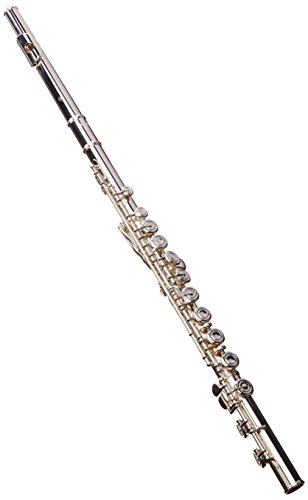
Let’s compare these in more detail.
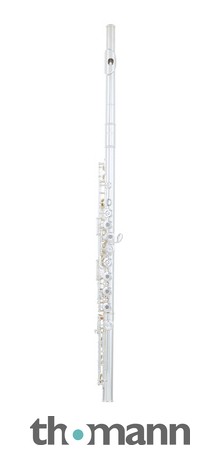
1. Pearl 525RBE1RB Quantz Flute
Pearl 525RBE1RB is my step-up choice for a player ready to use open-hole keys. The Quantz model combines a silver lip plate and riser with a silver-plated instrument, offset G, B footjoint and split-E mechanism. Pearl’s pinless construction and one-piece core-bar design are useful details to discuss with a teacher or technician when comparing action and maintenance.
It does not have a solid-silver headjoint throughout. Open holes require good finger coverage, and a B foot adds length; a beginner may be better served by a simpler closed-hole student instrument. Try it rather than assuming a higher specification guarantees a better fit.
Pros
- Open holes, offset G, B foot and split E for progressing players.
- Keys: Open hole; offset G; Footjoint: B; Mechanism: Split E; Silver components: Lip plate and riser
Cons
- It does not have a solid-silver headjoint throughout.
| Model | 525RBE1RB |
| Keys | Open hole; offset G |
| Footjoint | B |
| Mechanism | Split E |
| Silver components | Lip plate and riser |
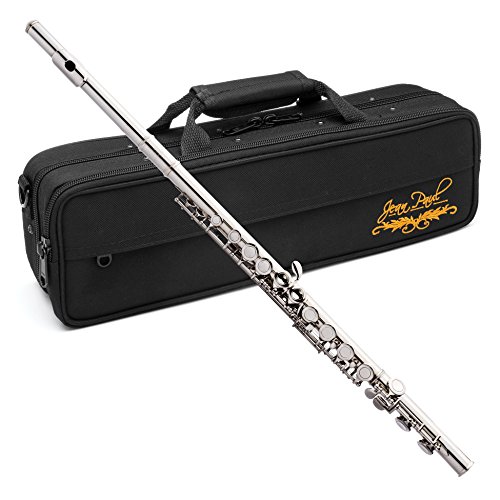
2. Jean Paul FL-220
Jean Paul FL-220 is the simpler budget recommendation for a first student instrument. Its closed-hole keys remove the need to seal ring-key holes while learning hand position, and the silver-plated concert flute comes with a carrying case. I would choose it with a teacher’s input and arrange a basic setup check before treating early response problems as the player’s fault.
A budget purchase can still need adjustment and servicing. Check the return and repair arrangements, especially when buying online. It is the FL-220 student model rather than the open-hole FL-430 listed separately.
Pros
- A closed-hole student flute with a carrying case.
- Type: Student concert flute; Keys: Closed hole; Accessory: Carrying case
Cons
- A budget purchase can still need adjustment and servicing.
| Model | FL-220 |
| Type | Student concert flute |
| Keys | Closed hole |
| Finish | Silver plated |
| Accessory | Carrying case |
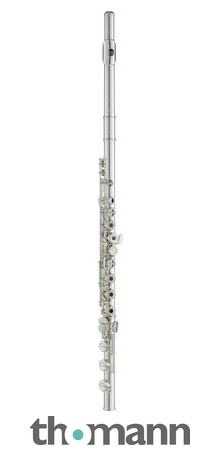
3. Yamaha YFL-677H
Yamaha YFL-677H is the advanced option to audition with a teacher. It combines a hand-finished silver headjoint and silver body with an open-hole, offset-G layout and B footjoint. Split-E and gizmo-key features support the intended configuration, while Yamaha’s professional-series construction offers a different level of finish and response from its student range.
It is not an automatic recommendation for every beginner. Headjoint response, hand position and maintenance support matter more than a professional label. Compare it directly with other instruments rather than expecting precious-metal content alone to determine your sound.
Pros
- A professional-series flute for an advancing player to audition.
- Keys: Open hole; offset G; Footjoint: B; Features: Split E; gizmo key; Role: Advanced/professional series
Cons
- It is not an automatic recommendation for every beginner.
| Model | YFL-677H |
| Keys | Open hole; offset G |
| Footjoint | B |
| Features | Split E; gizmo key |
| Role | Advanced/professional series |

4. Jean Paul FL-430
Jean Paul FL-430 is the accessible open-hole option for a player who wants to explore ring keys without going straight to the Yamaha professional range. The maker specifies offset G, a split-E mechanism and optional hole plugs. The plugs let you work on hand position gradually instead of changing every part of your technique at once.
Open holes do not make an instrument professional by themselves. Ask a teacher to check fit, response and adjustment. Choose the closed-hole FL-220 if you want a simpler first instrument rather than buying the FL-430 solely for its feature list.
Pros
- An open-hole flute with offset G and split E for progression.
- Keys: Open hole; plugs available; G configuration: Offset; Mechanism: Split E
Cons
- Open holes do not make an instrument professional by themselves.
| Model | FL-430 |
| Keys | Open hole; plugs available |
| G configuration | Offset |
| Mechanism | Split E |
| Finish | Silver plated |

5. Gemeinhardt 2SP
Gemeinhardt 2SP is a student-flute choice with closed-hole keys, offset G and a C footjoint. Its silver-plated headjoint and body are appropriate to this role; this is a silver-plated student design rather than a solid-silver professional instrument. I would compare its response and hand fit with the Yamaha student flute before choosing.
It still needs regular maintenance and a good pad seal. Check the exact 2SP package rather than a curved-headjoint 2SPCH or another Gemeinhardt series. Teacher and repair support are useful reasons to choose a familiar student model.
Pros
- A closed-hole student flute with a straightforward key layout.
- Keys: Closed hole; offset G; Footjoint: C; Role: Student
Cons
- It still needs regular maintenance and a good pad seal.
| Model | 2SP |
| Keys | Closed hole; offset G |
| Footjoint | C |
| Finish | Silver plated |
| Role | Student |

Yamaha YFL-222 is the student choice I would put on a beginner’s audition list. Its closed-hole keys, offset G and C footjoint keep the layout straightforward, while the CY headjoint is designed for developing players. It is a useful foundation for lessons rather than a professional flute that a student must learn to work around.
This is the student YFL-222, not the open-hole 262 or silver-headjoint 322. Buy through a route whose regional warranty and servicing arrangements you understand; the international-version Amazon offer and US dealer item can have different support terms.
Pros
- A closed-hole student flute with an offset-G layout.
- Keys: Closed hole; offset G; Footjoint: C; Headjoint: CY; Role: Student
Cons
- This is the student YFL-222, not the open-hole 262 or silver-headjoint 322.
| Model | YFL-222 |
| Keys | Closed hole; offset G |
| Footjoint | C |
| Headjoint | CY |
| Role | Student |

7. Eastar EFL-2
Eastar EFL-2 is the kit option for someone whose budget is very limited and who understands that an inexpensive instrument may need adjustment. The silver open-hole C flute is sold with learning and care accessories. Confirm the contents of the exact EFL-2 package, then have a teacher check the instrument’s basic response and pad seal.
The accessory count is not evidence of long-term serviceability. Check return terms and whether a local technician will work on the instrument. I would favor an established student flute when ongoing lessons and repair support are the priority.
Pros
- A low-cost open-hole starter kit with supplied accessories.
- Type: C concert flute; Keys: Open hole; Package: Starter kit
Cons
- The accessory count is not evidence of long-term serviceability.
| Model | EFL-2 |
| Type | C concert flute |
| Keys | Open hole |
| Finish | Silver |
| Package | Starter kit |
Important points to note when buying a Flute
Before you explore the features to consider when buying a flute, remember that your personal taste and musical ideas are what truly matter.
Some flutes are perfect for beginners, while others can be tricky for novices. You’ll grasp this after reading this guide. Here’s what to think about when buying the best flute:
Head Joint Materials
Flute head joints come in various materials, each offering a unique sound. For instance, nickel silver—an alloy of nickel, zinc, and copper—is popular among student flutes because it’s durable.
Nickel-silver construction is common in student flutes. A solid-silver headjoint is worth auditioning as a different option, but its cut and response must suit the player.
Body Materials
Body material is one part of the instrument. Headjoint design, pad seal, adjustment and the player’s technique also affect response and sound; silver content alone does not determine the better flute.
Many student flutes use silver-plated nickel silver. When moving to an advanced model, compare the individual instrument and its service condition rather than choosing by metal purity alone.
Conclusion
I’ve shared reviews and a guide on the best flutes available. Focus on your budget and goals to make a smart purchase. Learn about key features for a quality buy.
My top recommended flute is the Pearl 525RBE1RB Quantz Flute, a quality-made instrument from a reputable manufacturer that delivers excellent sound.
My second recommended flute is Jean Paul FL-220, a simpler closed-hole choice for a student on a limited budget.