
Many options exist for choosing a mic for church choirs. It should have the right polar pattern and a wide frequency range for clear sound.
My top pick is the Rode M5-MP. It delivers excellent sound quality and great value for its price.
My recommended budget pick is the Behringer C-2 Studio Condenser Microphone. It delivers good sound quality on a budget and comes in a pair.
The 7 best microphones for church Choirs (2026)




Let’s look at them in more detail:
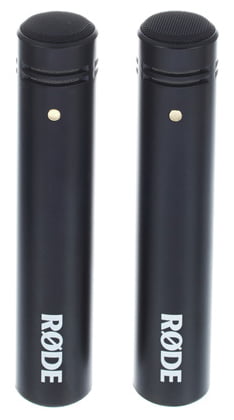
1. RØDE M5 Matched Pair
The Rode M5 is a matched pair of small-diaphragm cardioid microphones for ensemble and instrument recording. It offers two microphones selected for similar sensitivity, making it a practical starting point for a stereo choir recording. The NT5 is a separate model, so compare its features rather than assuming the two are interchangeable.
Pros
- Relatively inexpensive for the quality of sound
- Detailed and clean sound
- Wide frequency response
- Matched pairs for wider choir
Cons
- No storage or carry pouch or box
- No high pass filter switch
The Rode M5 is a compact half-inch cardioid condenser microphone with full frequency response, low noise, and cardioid polar pattern. This pencil-style microphone is not only small but also user-friendly. Its design and build make it seamless to use in any studio or recording session.
The Rode M5 is a matched pair of small-diaphragm microphones, ideal for recording choirs or acoustic instruments at home. They excel in live recordings, studio use, and performances, offering flexibility for both stereo and mono sound imaging.
| Condenser microphone | Yes |
| Polar Pattern | Cardioid |
| Including Clamps | Yes |
| Frequency Range | 20Hz- 20kHz |
| Stereo pair | Yes |
| Output | 3 Pin XLR |
| Power | +24V/48V Phantom Power |
| Type | Matched Pair |
Here’s my top pick for a reason. The Rode M5-MP stands out as one of the best options, offering a versatile foundation for recording choirs.
The pair is useful when the choir changes venue or you need microphones that can return to an acoustic-instrument setup afterward. Each microphone needs its own XLR input and suitable phantom power. There is no onboard low-cut switch, so unwanted rumble may need attention at the mixer or recorder. A matched pair helps stereo balance, but it does not compensate for uneven placement or a reflective room.
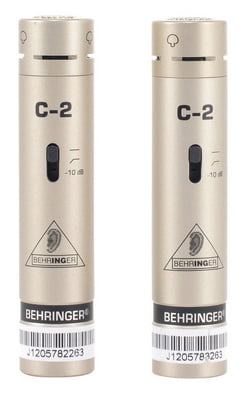
2. Behringer C-2 Matched Pair
Behringer C-2 Studio Condenser Microphone is my budget choice. This set supplies two microphones and useful input controls for a simple choir-recording setup.
Pros
- Affordable price
- One matched pair (two microphones)
- Comes with a case and windshield
- Wide frequency response
- High pass filter switch
Cons
- Not the best for solo vocal recording
- Self-noise
The cardioid polar design is great for recording choirs. This matched pair can be used for ensemble recording or other acoustic sources when its pattern and position suit the room.
The frequency response of this microphone spans from 20Hz to 20kHz. The high-pass switch can reduce low-frequency rumble, while the pad reduces the level reaching the microphone’s electronics for loud sources. For quiet distant voices, consider microphone placement and preamp noise before reaching for more gain.
| Condenser microphone | Yes |
| Polar Pattern | Cardioid |
| Including Clamps | Yes |
| Frequency Range | 20Hz- 20kHz |
| Stereo pair | Yes |
| Output | 3-pin Gold Plated XLR |
| Power | 48 V Phantom Power |
| Type | Matched Pair |
The Behringer C-2 offers an affordable price, packed with a long list of features. Its low-cut and pad switches make it worth comparing with simpler pairs that have neither control.
Use 48 V phantom power and two microphone inputs for the pair. Keep the pad off unless the source is actually overloading the input; a choir at a normal recording distance rarely needs attenuation simply because the switch exists. The current C-2 Dark Edition offers a black finish, but the original pair remains a sensible choice here.

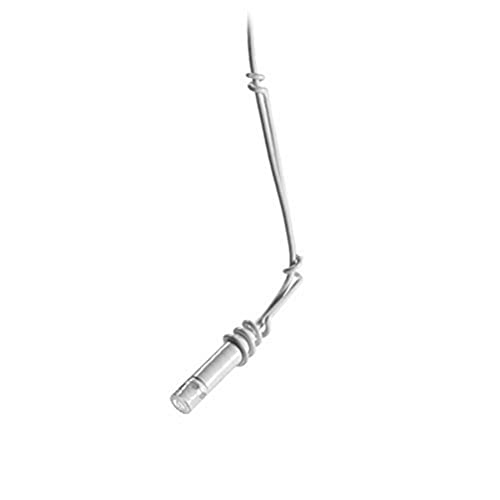
3. Audio-Technica PRO45W (White)
The Audio-Technica PRO 45 offers great value at an affordable price. This hanging microphone suits overhead ensemble pickup when its cable length and mounting arrangement fit the room.
Pros
- Average price
- Wide frequency response
- Comes with a windscreen and steel hanger
- High SPL handling
- 25′ cable permanently attached between microphone and XLRM-type connector
Cons
- No case
- No high pass filter switch
The Audio Technica Pro 45 is a discreet hanging microphone for ensemble and choir pickup. Plan its position and input gain around the actual source and room.
With its wide and smooth frequency response, it’s a good choice for recording. It can also serve as a room or overhead recording microphone when that placement captures the sound you need. The cardioid pattern emphasizes sound in front of the microphone, making its aim important for balanced coverage.
| Condenser microphone | Yes |
| Polar Pattern | Cardioid |
| Mounting accessory | Steel hanging support |
| Frequency Range | 70Hz- 16kHz |
| Stereo pair | No |
| Output | 3-pin XLRM connector on attached cable |
| Power | 11–52 V phantom power |
| Type | Overhead |
This microphone is a great value and highly versatile for your studio.
The selected microphone is the white PRO45W, intended to blend into a light-colored installation. Its permanently attached cable is convenient when that length reaches your connection point, but less flexible than a detachable cable for changing venues. The supplied steel hanger controls aim; it is not a microphone-stand clamp. Plan the suspension point and cable path before buying, and aim toward the singers rather than straight down at their heads.
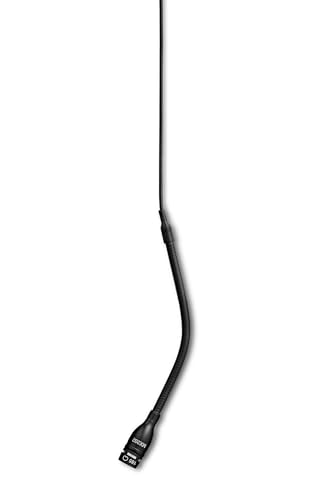
4. Shure MX202B/C (Black, Cardioid, In-line Preamp)
Shure MX202B/C is a black cardioid hanging microphone with an in-line preamp. It suits a choir installation that needs precise aiming and a choice of capsule patterns within the Microflex family. A short flexible gooseneck sits between the capsule and its cable, helping you aim the microphone toward the covered section.
Pros
- Cardioid capsule and in-line preamp in the selected package
- Flexible gooseneck for aiming
- Interchangeable capsule options and stand adapter
Cons
- More model-code and mounting choices to check
- Sold as one microphone, not a stereo pair
The selected B/C version includes the cardioid capsule. The family also contains supercardioid, plate-mounted preamp and no-capsule versions, so check the complete model code when comparing offers. A product called simply MX202 may not include the same capsule or connection hardware as this selection.
Its 30-foot cable and in-line preamp support overhead placement, while the supplied stand adapter offers a portable mounting option for this version. Interchangeable capsules create more flexibility than a fixed-pattern hanging mic, but choosing a tighter pattern changes how you must position it relative to loudspeakers and surrounding sound.
The MX202 offers interchangeable capsule choices and flexible mounting. That adaptability is useful when installation needs may change, but it adds cost and setup choices to weigh against simpler fixed-pattern models such as the PRO45W or CHM99.
A hanging microphone still needs a suitable phantom-powered microphone input and careful placement. It will capture reverberation and stage sound along with the choir. Do a soundcheck with the choir and loudspeakers in their actual positions; no model guarantees that distant voices can be amplified loudly without feedback.
| Selected model | MX202B/C: black, cardioid, in-line preamp |
| Type | Hanging condenser |
| Cable | 30 feet |
| Capsule | Interchangeable Microflex pattern options |
| Connection | Balanced XLR through preamp |
| Use | Overhead or supported stand mounting |
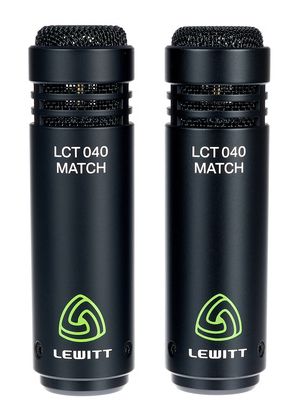
5. LEWITT LCT 040 MATCH Stereo Pair
LEWITT LCT 040 MATCH Stereo Pair offers two compact cardioid condenser microphones for a portable recording setup. Its short bodies are convenient to position when recording an ensemble in different venues.
Pros
- Stereo-pair package
- Compact and light microphones
- Clips, windscreens and transport bag
Cons
- No onboard pad or low-cut switches
- Requires two inputs and 48 V phantom power
Each microphone weighs about 44.6 g and measures 83 mm long. That can help when fitting a pair onto a stereo bar or small boom, although the bar, stands and XLR cables still need to be included in your plan. The package supplies clips, foam windscreens and a transport bag; make sure the offer is the stereo pair rather than the separately sold single microphone.
The published response is 20 Hz to 20 kHz, and the maker specifies 20 dBA self-noise. The microphones need 48 V phantom power. For choir recording, position the pair to balance the voices before applying EQ, and monitor a quiet passage to assess how much room sound and background noise the setup captures.
There are no onboard pad or low-cut switches. That keeps the microphones simple, but rumble filtering and input-level management fall to the recorder or mixer. The AT4021 supplies those controls on the microphone itself; the Behringer C-2 pair is another option when physical switches and a smaller budget matter.
The LCT 040 pair is useful for a compact portable recording setup. Its small size makes placement on stands or a stereo bar straightforward, while a dedicated hanging microphone may suit a permanent choir installation better. If onboard filtering is a priority, compare the C-2 pair or AT4021 instead.
| Package | Two matched cardioid microphones |
| Response | 20 Hz to 20 kHz |
| Self-noise | 20 dBA |
| Power | 48 V phantom power |
| Connection | 3-pin XLR on each microphone |
| Size | 24 mm diameter × 83 mm long; 44.6 g each |
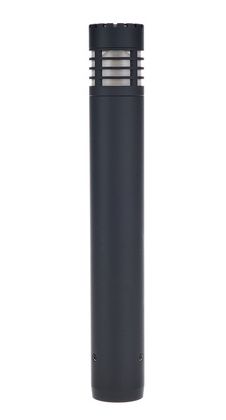
6. Audio-Technica AT4021
The Audio Technica AT4021 is pricey, but it offers excellent sound quality and outstanding clarity above all.
Pros
- Great audio quality
- Excellent Dynamic frequency response
- Comes with case, windshield and stand clamp
- Switchable 10dB Pad
- High pass filter switch
Cons
- A little pricey
The Audio Technica AT 4021 is a high-end microphone aimed at pros. The cost is justified by the exceptional recording quality it delivers.
It has a published response of 20 Hz to 20 kHz, providing useful low-frequency extension for ensemble and instrument recording. This microphone works well for both live setups and studio recordings.
The high pass filter and switchable pad settings let you shape sound easily without messing with the preamp. This boosts your workflow efficiency and keeps your creative flow strong.
This microphone is aimed at professionals and may be beyond many budgets. Plus, it includes only one mic, requiring additional investment for stereo recordings.
| Condenser microphone | Yes |
| Polar Pattern | Cardioid |
| Including Clamps | Yes |
| Frequency Range | 20Hz- 20kHz |
| Stereo pair | No |
| Output | Integral 3-pin XLRM-type |
| Power | +48V Phantom Power |
| Type | Single Condenser |
The controls make it a useful option for flexible recording setups. Use it on acoustic instruments, ensembles, choirs, or as a reverb microphone.
The 80 Hz high-pass filter can reduce rumble without having to filter the recording later, while the 10 dB pad is intended for loud sources. Neither should be engaged automatically for a choir. This is a single microphone, so price a second unit and the supporting hardware if stereo recording is the goal. The included stand clamp attaches to a stand; a complete microphone stand is not supplied.
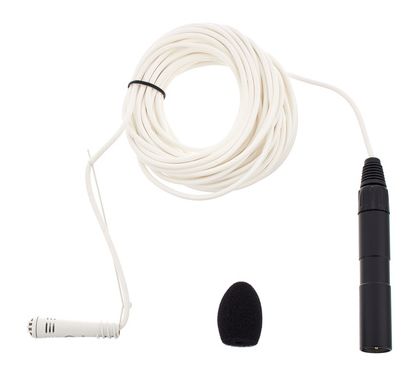
7. AKG CHM99 White
The AKG CHM 99 is a microphone specifically built to record choirs and performs well in that area.
Pros
- 125° pickup angle
- Good frequency response
- Specially designed for choir pickup
- Integrated spring clamp for optimum adjustment
Cons
- Comes with only a windshield
The AKG CHM 99 is a microphone built for recording choirs.
It has a 125° pickup angle, letting you capture a lot of sound with one microphone. Use it for wide choir recordings to get decent results.
The drawback is that it doesn’t come in a pair, so you can’t record in stereo without spending more. For traveling musicians, the absence of a case or pouch means you’ll need to invest extra to keep it secure.
| Condenser microphone | Yes |
| Polar Pattern | Cardioid |
| Including Clamps | Yes |
| Frequency Range | 70Hz- 18kHz |
| Stereo pair | No |
| Output | Balanced XLR |
| Power | +9-52V DC |
| Type | Overhead |
This is a solid mid-range microphone. Like most, it has its pros and cons; it’s about weighing the options.
The selected CHM99 is the white version, with a 10 m cable and spring steel hanger for aiming. It is more convenient for a settled overhead installation than a portable pair that you mount for each service. Route the cable so that it does not pull the capsule away from its chosen direction. The quoted pickup angle describes directional coverage, not a promise that one microphone will capture every choir evenly regardless of distance.
How many microphones do you need for a church choir?
Start with the fewest microphones that cover the choir evenly. Singer count alone does not determine the answer: the width and depth of the rows, room acoustics, microphone pattern, and whether you are recording or feeding loudspeakers all matter. A stereo pair can be a useful starting point for recording, while a wider choir may need separate area microphones for live reinforcement.
Recording a choir with more microphones doesn’t mean better quality. In fact, it can lead to feedback issues. It’s also expensive to buy all the necessary equipment, leading you to spend even more money.
What type of microphone do you need for a church choir?
A cardioid condenser is a common starting point for choir pickup, but the room and loudspeaker layout may call for another pattern or approach. Also, consider sturdy stands, long cables, and a durable design when selecting a microphone.
Do condenser microphones make the choir sound better?
Condenser microphones are often practical for area pickup because suitable models provide wide frequency response and useful sensitivity at some distance. That does not make every condenser better than every dynamic microphone. Placement, the choir itself, room sound and the purpose of the recording or reinforcement have a greater influence than the category name alone.
Where should you position the microphone?
The placement of the microphone matters as much as its mounting. For an area microphone, a starting point is a few feet in front of and above the first row, aimed into the choir so that the rear rows remain covered. Listen to the balance of front and rear voices and adjust height and angle rather than treating one distance as a finished setup.
You can raise the height by another foot or two if you prefer. Next, instruct your choir to sing naturally instead of directly into the microphone for an even, natural sound.
For separated area microphones, the 3:1 rule is a useful starting point: their spacing should be roughly three times each microphone’s distance from its nearest covered singers. Avoid opening more microphones than needed, and turn unused channels down. Keep choir microphones out of the choir’s monitor mix. A coincident stereo pair used for recording is a different arrangement, so do not apply separated-area spacing to every stereo technique.
Verdict
Choosing microphones for church choirs requires thought. Consider your choir’s size, the microphone type, and its positioning before buying. These checks help you choose equipment that suits the actual room and intended use.
My top pick is the Rode M5-MP. It offers excellent build quality and sound with a natural, warm tone, all at a reasonable price.
My budget pick is the Behringer C-2 Studio Condenser Microphone for a quality yet affordable option.