For acoustic piano, begin with the room, the intended mono or stereo result, and the recording interface. This guide compares six options with different budgets and recording roles.
Recording an acoustic piano can be quite challenging. This instrument is sonically complex and large, making it demanding for both the mics and the person recording. Ensuring clear sound requires skill and precision.
Disclosure: This post contains affiliate links, meaning I may get a commission if you make a purchase through my links, at no extra cost to you. As an Amazon Associate I earn from qualifying purchases.
The Best Microphones for Recording Piano



Let’s look at these in more detail.
The techniques mentioned offer a good start on recording piano sound. However, using the right microphones is crucial. You can’t just use any mic. Choose those most responsive to piano sound. For your convenience, here are the six most recommended mics for piano recording:
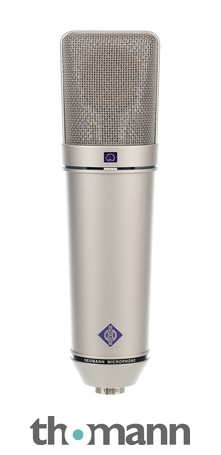
Premium multipattern studio microphone
The U 87 Ai remains a premium choice for a good piano in a good room. Its cardioid, omnidirectional and figure-eight patterns provide options for balancing instrument and ambience. The verified nickel listing is a single microphone, not a stereo pair or different finish.
Flexibility and a familiar studio sound are the attractions, not automatic improvement in every room. Placement and acoustics still dominate. Stereo requires a second microphone, suitable preamp channels and stands. A home pianist buying a complete stereo setup may find the NT5 pair easier to justify. Sweetwater is verified in stock; the checked Thomann offer is on backorder, so confirm delivery.
Pros
- Three polar patterns
- Flexible studio use
- Established premium option
Cons
- High investment
- Single microphone rather than pair
| Model | U 87 Ai |
| Finish | Nickel |
| Patterns | Cardioid, omni, figure-eight |
| Connection | XLR condenser |
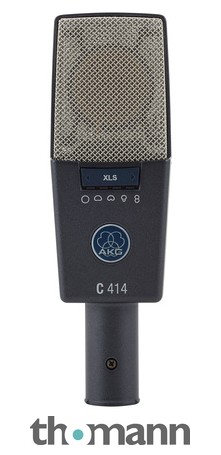
Flexible patterns for different pianos and rooms
The C414 XLS remains a flexible studio condenser with nine polar patterns. That helps adapt placement to an upright, grand piano or different room. The exact listing is an XLS single microphone; the XLII and matched stereo packages are separate products.
Pads and bass-cut settings help with close placement and rumble but do not fix an unsuitable room. Start with an even keyboard balance before using filters. Buy two compatible microphones for stereo. Current Sweetwater and Thomann offers are in stock, while Amazon delivery is unknown; these states remain separate. It suits readers who need pattern flexibility rather than the simplest home-recording purchase.
Pros
- Nine polar patterns
- Pads and bass-cut settings
- Adaptable placement
Cons
- Single microphone
- Many settings to learn
| Model | C414 XLS |
| Patterns | Nine |
| Pads | Three selectable levels |
| Connection | XLR condenser |

3. Rode NT5 Matched Pair Silver
Stereo piano recording without a premium studio budget
The NT5 matched pair replaces the SM7B in this piano guide. The SM7B is useful for vocals, but its single-mic format and gain requirements made it a weak default for stereo piano detail. Two small-diaphragm NT5 condensers provide a more direct starting point for capturing the keyboard and its attack.
The verified silver package is NT5MP, containing two microphones. Use two phantom-powered XLR preamp channels, stands and cables. Coincident XY is a useful starting point for mono compatibility; spacing offers other balances when the room supports it. A pair introduces phase and placement decisions, so listen in mono as well as stereo. This is not the single NT5 or a cheaper M5 bundle.
Pros
- Two microphones for stereo
- Small-diaphragm attack detail
- Matched package
Cons
- Two preamp channels needed
- Placement and phase require attention
| Model | NT5MP |
| Quantity | Matched pair |
| Pattern | Cardioid |
| Connection | XLR, phantom power |
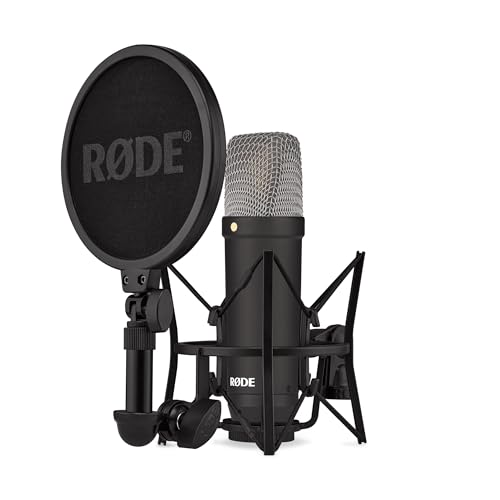
Low-noise single-mic home recording
The NT1 Signature Series replaces the uncertain NT1-A offer. This exact black model provides a simple XLR condenser option, with Rode specifying 4 dBA self-noise. That helps quiet piano passages when the room and recording chain are also quiet.
Choose it for mono piano, or plan a second microphone for stereo. Fixed cardioid offers less flexibility than the C414 or U 87 but simplifies setup. Signature is not the USB-equipped NT1 5th Generation: an interface with phantom power is required. Low microphone noise cannot remove traffic, computer fans or room reflections. It suits a careful home setup more than an untreated room where background noise is the main problem.
Pros
- Low specified self-noise
- Simple setup
- Home-studio role
Cons
- No USB connection
- Single mic and fixed pattern
| Model | NT1 Signature Series |
| Color | Black |
| Pattern | Cardioid |
| Self-noise | 4 dBA |
| Connection | XLR |
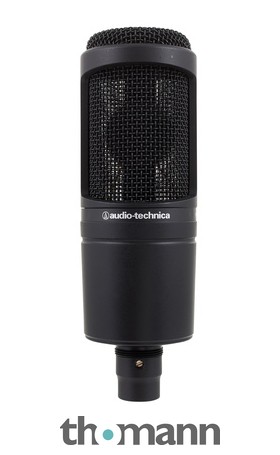
Budget single-microphone piano recording
The AT2020 remains an entry point for a pianist with a phantom-powered interface who wants mono recording. Fixed cardioid and straightforward XLR keep setup manageable. The selected black model is the analog XLR AT2020, not an AT2020USB variant.
Spend time finding an even balance across the instrument. One mic cannot give the width of a stereo pair, and its noise performance is less suited to very quiet distant pickup than the NT1 Signature. For demos or accompaniment in a reasonably quiet room it remains useful. Include a stand, cable and interface in the budget rather than treating the microphone as the whole recording system.
Pros
- Simple entry-level setup
- Current exact offers
- Useful mono recording
Cons
- Phantom-powered interface needed
- Less suited to quiet distant pickup
| Model | AT2020 XLR |
| Color | Black |
| Pattern | Cardioid |
| Quantity | One |

Budget condenser with pad and bass-cut controls
The MXL 770 remains another budget condenser for mono piano. Its pad and low-frequency roll-off help when close placement or mechanical rumble causes problems. The exact offer is the black 770, not a different model or similarly named bundle.
The appeal is an accessible microphone with useful switches, not a guarantee of studio sound. Test placement before using the filter, because too much bass removal can thin the instrument. It needs phantom power and an interface. Stereo requires another microphone and careful placement; choose the matched NT5 package if that is the main purchase goal. It remains a distinct budget alternative to the simpler AT2020.
Pros
- Pad and bass-cut controls
- Accessible home-studio choice
- Current offers
Cons
- One microphone
- Positioning and room still matter
| Model | 770 |
| Color | Black |
| Pattern | Cardioid |
| Controls | Pad and low-frequency roll-off |
Buyer’s Guide: Factors to Consider When Selecting a Mic for Piano Recording
In this article, I’ll recommend the best mics for recording piano and highlight key factors to consider when choosing a mic. Below are the important factors to consider:
Choose Between Dynamic or Condenser!
Condenser microphones are common for piano because many offer useful sensitivity and detailed transient response. Dynamics can also make effective piano recordings; frequency response, output level, placement and the intended sound matter more than a blanket rule.
In some cases, the dynamic mic might misrepresent percussive clicks and the true sound of the note. However, there are exceptions; you can find excellent piano recordings using dynamic microphones. It all hinges on how the sound has been engineered.
For this guide, condensers provide the most useful selection of stereo, low-noise and multipattern roles. The best result still depends on the piano, room, placement and intended recording.
Polar Pattern
The directionality of a microphone indicates how it captures ambient sound. Some mics pick up sounds from multiple directions simultaneously, while others only capture sound from specific angles.
For recording piano sound, focus on picking a mic that captures *off-axis* sounds well. Ensure your mic choice compensates for any apparent volume differences too.
Frequency Response
When picking a mic for piano recording, go for one with a wide frequency range. The piano produces sounds with very high frequencies. You’ll need a mic that can capture this broad frequency spectrum.
Proximity Effect
Directional microphones can become bass-heavy when close to the source. Move and listen before applying a high-pass filter. Omnidirectional patterns avoid conventional proximity effect, but capture more of the room.
Use bass-cut controls only after listening to placement changes. A filter should remove unwanted rumble without stripping useful low notes.
Most Practical Ways to Record Piano
There are a couple of mic techniques for recording piano sound. Sift through these techniques to find the most appropriate for your recording needs. Based on my research, here are the most recommended ways to capture piano sound:
1) Microphones Inside the Piano
Close placement inside a grand piano can emphasize attack and reduce the proportion of room sound. Start with a balanced position over the strings and move carefully; no fixed distance works for every piano.
Two suitable condensers can capture stereo; they do not have to be tube microphones. Coincident XY and spaced pairs offer different balances, so choose a technique to suit the instrument and room.
For spaced microphones, the 3:1 guideline can help reduce interference, but it does not guarantee phase alignment. Check mono compatibility and move the microphones while listening.
Be careful positioning mics too close to the strings to avoid overemphasizing specific groups. Move the mic closer to the hammer for more brightness or farther away to reduce it. This setup is ideal for an in-your-face piano recording.
2) Microphones Outside of the Piano
For outside placement, try a suitable pair at different distances and heights. More distance captures more room; use the selected NT5 pair or other compatible microphones rather than a fixed model-and-distance formula.
Treat starting positions as experiments rather than fixed rules. Listen to the whole keyboard and adjust distance and height for an even balance.
3) Recording Using A Single Microphone
A single cardioid condenser can record a useful mono piano part. Move it until the bass and treble balance, and use closer placement for less room sound. Stereo width requires another microphone and an appropriate technique.
Conclusion
Recording an acoustic piano can be tough due to its rich sound. To simplify the process, choose the right mics. There are many ways to record piano sound. Experiment with different miking techniques to find the best setup.
Yukimi says
I am looking for microphones for livestream concert. I am livestreaming from home via zoom. Do I also need to purchase an audio interface besides microphones for this?
Bradley says
Yes. You will need an audio interface for music live stream as it will sound richer and fuller.