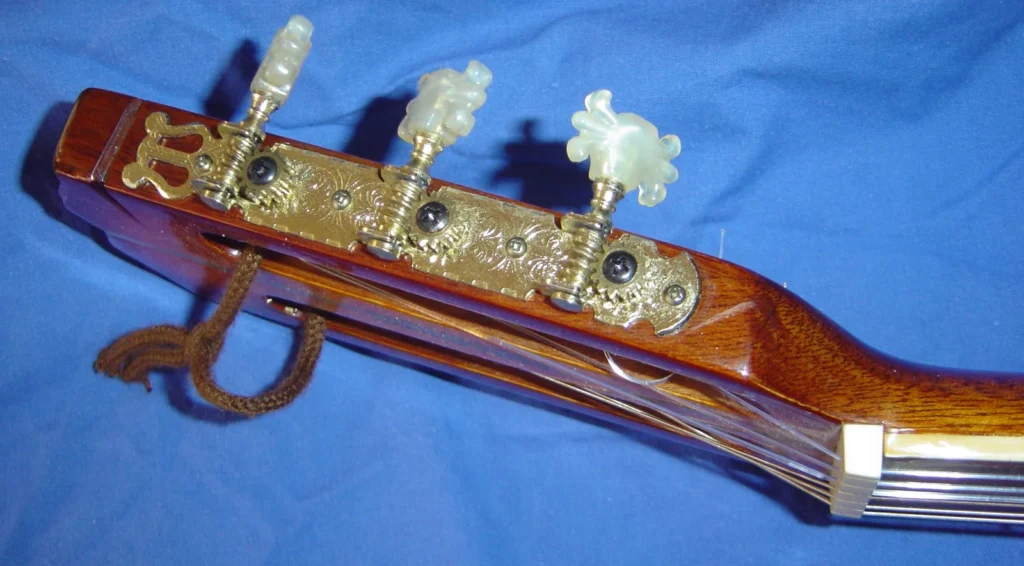
A nylon-string acoustic-electric guitar gives you a hollow acoustic instrument for home playing and a built-in pickup for an amp, PA or recording setup. The most useful choice depends on neck width, fingerboard shape and how much control you need over the amplified sound.
My top recommendation is the Yamaha NTX1 for electric and steel-string players moving to nylon. Its 48mm neck, cutaway and onboard EQ make it a practical crossover choice.
My budget pick is the Córdoba Fusion 5 Natural, with a 48mm nut, curved fingerboard and a solid spruce top. For traditional classical spacing and a more elaborate pickup system, consider the Yamaha NCX3.
The 5 Best Nylon-String Acoustic-Electric Guitars (2026)

A 48mm-neck nylon acoustic-electric with a solid spruce top and onboard EQ.

A cutaway nylon acoustic-electric with a 48mm nut and 16-inch fingerboard radius.

A solid-cedar cutaway guitar with a 50mm nut and onboard Fishman electronics.

A spruce-top classical acoustic-electric with a 50.8mm nut and TP-4T preamp.

An all-solid nylon acoustic-electric with a 52mm neck and Atmosfeel three-part pickup system.
These choices focus on hollow acoustic-electric nylon guitars that also work unplugged. Chambered electric nylon instruments and MIDI guitar controllers serve a different need and are outside this comparison.
1. Yamaha NTX1
The Yamaha NTX1 is my top pick for a guitarist adding nylon-string sounds to an existing electric or steel-string setup. Its 48mm nut is narrower than the 52mm neck on the NCX3 below, and the fingerboard has a slight radius. That makes it a useful starting point if you want a crossover guitar rather than a full-width classical instrument.
The solid Sitka spruce top and hollow APX-shaped body let you practice unplugged, while the undersaddle pickup provides a direct connection for amplified use. Volume, three-band EQ, an adjustable mid frequency and an onboard tuner give you practical controls at the guitar. Strap buttons are another helpful detail for standing performances.
Choose the NTX1 for its balance of familiar neck dimensions and straightforward stage features. The narrower spacing may feel cramped if your playing depends on the room of a traditional classical fingerboard. Yamaha does not include a case in the standard specification, so allow for one if the guitar will travel.
Pros
- Narrower neck than a traditional 52mm classical
- Cutaway and strap buttons suit amplified playing
- Onboard tuner and adjustable mid frequency
Cons
- Narrower string spacing can feel cramped for traditional classical technique
| Top | Solid Sitka spruce |
| Back and sides | Nato or okume |
| Nut width | 48mm |
| Scale length | 650mm |
| Electronics | Undersaddle pickup, 3-band EQ and tuner |
2. Córdoba Fusion 5 Natural
The Córdoba Fusion 5 Natural is my budget recommendation for players who want a nylon-string acoustic-electric with a curved fingerboard. Its 48mm nut and 16-inch radius are the features to focus on. The guitar is still wider at the nut than many steel-string acoustics, but it gives you a less dramatic change than a broad, flat classical neck.
A solid spruce top, mahogany back and sides, and a cutaway make this an approachable general-purpose nylon guitar. Side dots help players used to looking along the neck for position markers. The Fishman undersaddle system handles amplified use without requiring an external microphone for every performance.
Check the exact seller specification before ordering. Fusion 5 listings can describe different electronics and fingerboard woods, so choose the instrument shown in the listing rather than assuming every finish and production version is identical. The consistent reason for choosing it here is the crossover neck, solid top and built-in pickup.
Pros
- 48mm neck and curved fingerboard suit crossover use
- Solid spruce top
- Side dot markers help fretboard navigation
Cons
- Less finger space than a full-width classical guitar
| Top | Solid spruce |
| Back and sides | Mahogany |
| Nut width | 48mm |
| Fingerboard radius | 16 inches |
| Scale length | 650mm |
| Pickup | Fishman undersaddle system |
3. Córdoba C5-CE Cedar
The Córdoba C5-CE Cedar is the model I would shortlist if you want a cedar-topped nylon acoustic-electric. Its 50mm nut sits between the two crossover choices above and a traditional 52mm classical neck. The solid Western red cedar top and mahogany back and sides also give you a different construction choice from the spruce-topped guitars in this list.
The cutaway is useful for melodies higher up the neck, while the Fishman pickup and tuner make the guitar practical for an acoustic set. I would choose the C5-CE for a player who wants a fairly traditional hollow nylon guitar with a few performance conveniences, rather than the closest possible imitation of an electric-guitar neck.
Make sure the listing is for the C5-CE cedar version, since a similar model name can appear with a spruce top. Current and older stock can also have different Fishman preamps. The top wood, 50mm neck and cutaway are the basis of this recommendation; check the pictured controls if a particular EQ layout matters to you.
Pros
- Solid cedar top offers an alternative to the spruce models
- 50mm neck sits between the narrower and wider choices
- Cutaway and built-in tuner
Cons
- Wider neck than the 48mm crossover models
| Top | Solid Western red cedar |
| Back and sides | Mahogany |
| Nut width | 50mm |
| Scale length | 650mm |
| Design | Classical body with cutaway |
| Pickup | Fishman undersaddle system |
4. Takamine GC5CE-NAT
The Takamine GC5CE-NAT is worth choosing if you want a classical-style instrument with clear, accessible stage controls. Its TP-4T preamp provides gain, three-band EQ and a built-in tuner. Those controls are useful for adjusting the guitar between rooms without relying entirely on the mixer.
Takamine pairs a solid spruce top with black walnut back and sides, a mahogany neck and a laurel fingerboard. The 50.8mm nut puts it close to a full-width classical feel, and the Venetian cutaway leaves access to the higher frets. It suits players who want room for fingerstyle passages and also need a direct output for rehearsals or performances.
The GC5CE does not offer the multi-sensor microphone blend found on the Yamaha NCX3. Choose it if a conventional pickup and onboard EQ cover your needs. Check the full GC5CE-NAT name when comparing offers; the non-electric GC5 is a different purchase and does not provide the stage connection described here.
Pros
- Three-band EQ and tuner on the guitar
- Solid spruce top
- Cutaway with a relatively broad neck
Cons
- No microphone blend
| Top | Solid spruce |
| Back and sides | Black walnut |
| Nut width | 50.8mm / 2 inches |
| Fingerboard | Laurel |
| Electronics | TP-4T, 3-band EQ and tuner |
5. Yamaha NCX3 Natural
The Yamaha NCX3 Natural is my upgrade choice for players who want a traditional neck and a more flexible amplified signal. The 52mm nut and flat ebony fingerboard leave more space than the NTX1. Its solid Sitka spruce top and solid walnut back and sides also move it into an all-solid construction category.
The main stage feature is Atmosfeel, which combines an undersaddle pickup, contact sensor and microphone. A microphone-blend control lets you adjust how much of that source enters the output; master volume and treble EQ keep the panel relatively simple. This is a useful design for performers who want to shape a blended signal without building a separate microphone rig.
More microphone in the mix can make loud monitoring harder to manage, so begin conservatively during a soundcheck. Choose this spruce-top NCX3 rather than the cedar-top NCX3C if you want the exact model described here. Yamaha includes a reinforced carrying bag, a useful detail for lessons, rehearsals and small gigs.
Pros
- Full-width 52mm classical neck
- Solid top, back and sides
- Atmosfeel combines three signal sources
- Reinforced carrying bag in standard specification
Cons
- Wide, flat fingerboard takes adjustment for steel-string players
- Adding microphone blend increases feedback risk near loud monitors
| Top | Solid Sitka spruce |
| Back and sides | Solid walnut |
| Nut width | 52mm |
| Fingerboard | Ebony, flat |
| Scale length | 650mm |
| Electronics | Atmosfeel pickup, contact sensor and microphone |
Crossover or Classical Neck: Which Should You Buy?
Choose a crossover neck if you prefer a narrower nut and a curved fingerboard. The Yamaha NTX1 and Córdoba Fusion 5 both use a 48mm nut. Choose the 52mm Yamaha NCX3 if you want a broader, flat classical fingerboard for fingerstyle work.
Nut width is only part of the fit. Neck depth, string spacing and fingerboard radius also matter. Play a first-position chord and a passage with independent bass notes if you can try the instrument. A neck that feels easy for a chord shape may still be cramped for your picking-hand technique.
What Pickup Features Matter for Live Nylon Guitar?
For straightforward amplified playing, an undersaddle pickup and usable EQ may be enough. A built-in tuner is convenient between songs. A blended system such as Atmosfeel adds other signal sources and gives you another way to shape the amplified sound.
Think about your actual stage. At a quiet solo set, a microphone blend may be useful. With loud monitors, keep the microphone contribution low initially and check for feedback as you raise the level. An expensive pickup system still needs a sensible soundcheck and monitor position.
Will a Nylon Acoustic-Electric Work Without an Amp?
Yes. The hollow guitars in this guide produce sound acoustically, so you can practice without connecting them. The pickup supplies a separate amplified signal; it does not have to be switched on for the strings and body to make sound.
Unplugged projection and amplified tone are separate buying considerations. If you spend most of your time at home, compare the guitar in a room without an amp as well as through a speaker. A model chosen mainly for a loud stage may not be your preferred living-room instrument.
Can You Put Steel Strings on a Nylon Guitar?
Use strings intended for nylon-string guitars and follow the instrument maker’s recommendations. Do not fit ordinary steel acoustic strings to a guitar designed for nylon; the instrument is not designed around that string tension.
Classical bass strings often have metal windings around a non-steel core. Their appearance does not make them interchangeable with steel-string acoustic sets. Check the whole set description, the tension rating and the required bridge attachment before ordering replacements.
What Else Do You Need for Amplified Playing?
Start with a suitable instrument cable and an acoustic amp or PA input that can accept the guitar’s output. If the venue needs a balanced microphone-level connection, a suitable DI box may be required. Check with the person handling sound before the performance.
Keep a spare battery if the preamp uses one, and follow the manual’s advice about unplugging the cable when the guitar is stored. For recording at home, our guide to audio interfaces and what they do explains how an instrument can connect to a computer.
Does a Cutaway Mean the Guitar Has Low Action?
No. A cutaway improves access to upper frets; action is the height of the strings above the frets. Neck relief, saddle height and the condition of the particular guitar affect the setup. Do not assume a crossover label guarantees low string height.
Ask a seller about the setup if playability is your main concern, and allow for an adjustment by a qualified technician when necessary. Our separate low-action acoustic guitar guide addresses that buying priority; this shortlist focuses on nylon strings and amplified use.
Summary
The Yamaha NTX1 is my first recommendation for a practical crossover nylon acoustic-electric. The Córdoba Fusion 5 Natural takes the budget slot, while the C5-CE Cedar offers a cedar-top alternative with a slightly broader neck.
Choose the Takamine GC5CE-NAT for a classical-style guitar with straightforward EQ, or the Yamaha NCX3 for full-width spacing and its blended Atmosfeel system. Decide how much finger spacing you want before comparing finishes or extra controls.
Photo: David Monniaux / Wikimedia Commons, CC BY-SA 3.0.
