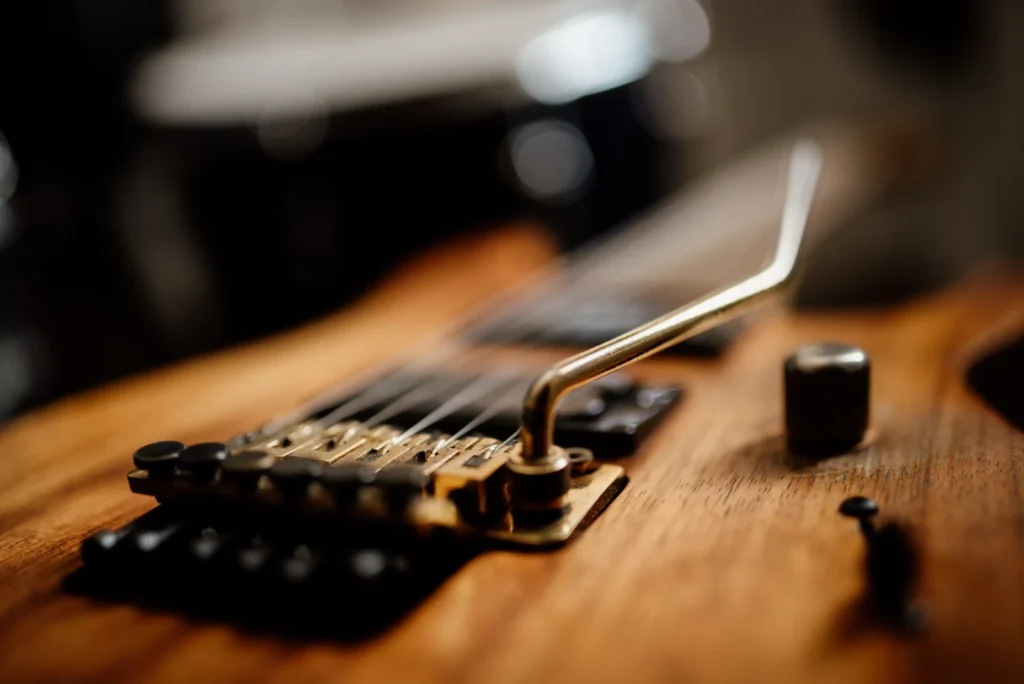
The best electric guitar for metal should match your tuning, feel comfortable during riffs and give you the bridge you actually need. A reliable hardtail with humbuckers is a good starting point for many players; a locking tremolo makes sense when pitch effects are part of your style.
These picks are six-string electric guitars, covering practical rhythm instruments, a Drop-C option, tremolo techniques and a single-cut alternative. Bass players should use our separate bass guitars for metal guide.
My top pick is the Schecter Omen Elite-6, with a fixed bridge and 24 frets. My budget pick is the Ibanez RG421, which pairs a thin Wizard III neck with passive humbuckers and a straightforward hardtail.
The 5 Best Electric Guitars for Metal (2026)

A 24-fret six-string with Diamond Heretic humbuckers and a string-through fixed bridge.

A six-string RG with passive Quantum humbuckers and a Wizard III neck.

A six-string signature model supplied in Drop-C with Scarlet and Scourge pickups.

A 24-fret Dinky with a Jackson-branded Floyd Rose licensed tremolo.

A shorter-scale single-cut with LH-150 humbuckers and coil splitting.
Let’s compare these in more detail.
1. Schecter Omen Elite-6
The Omen Elite-6 is my top pick for a player who wants a purpose-built metal guitar with a fixed bridge. Its Diamond Heretic humbuckers and 24-fret neck give it a useful foundation for rhythm and lead work, while the string-through hardtail keeps the maintenance routine manageable.
The 25.5-inch scale is a sensible starting point for standard tuning and common dropped tunings when the strings and setup are chosen appropriately. A Thin C maple neck provides a different feel from the flatter Wizard profile on the Ibanez below. Try both before deciding which shape helps your playing.
Choose this exact hardtail six-string if heavy rhythm work is the main job. It has no tremolo for dive-bombs, and it is not a baritone designed around much lower tuning. The maple burl top is a visual extra; the pickups, neck feel and bridge are the stronger reasons to put it on your shortlist.
Pros
- Fixed bridge for a practical rhythm rig
- 24-fret range
- Two metal-focused humbuckers
Cons
- No tremolo for pitch effects
| Scale | 25.5 inches |
| Pickups | Two Schecter Diamond Heretic humbuckers |
| Frets | 24 extra jumbo |
| Bridge | Schecter Custom Hardtail, string-through |
2. Ibanez RG421
The RG421 is my budget pick for a metal guitar that concentrates on the playing features. Its Wizard III maple neck, 24 jumbo frets and fixed F106 bridge make a practical combination for riffing and lead practice. Passive Quantum humbuckers keep the electronics free of a pickup-battery requirement.
The five-way selector provides combinations beyond the two full humbuckers. That is useful when a song moves from heavy rhythm into a cleaner passage, although the amp and effects still play a large role in the result. This guitar offers a reasonable foundation to learn your preferences before deciding whether you actually need pickup upgrades.
The thin neck and flat 400 mm fingerboard radius are distinctive. Players who like a fuller grip should compare the Schecter or LTD rather than buying purely from the fret count. The fixed bridge is helpful if you expect to keep the guitar in one tuning or occasionally adjust that tuning. Choose the RG421 for its neck and straightforward hardware before planning any upgrades.
Pros
- Thin Wizard III neck
- Fixed bridge and passive pickups
- Useful five-way switching
Cons
- No tremolo for pitch effects
| Scale | 25.5 inches |
| Pickups | Two passive ceramic Quantum humbuckers |
| Frets | 24 jumbo |
| Bridge | F106 fixed bridge |
3. PRS SE Mark Holcomb
The six-string SE Mark Holcomb is the more specialized choice for players already working in Drop-C. PRS supplies this model in that tuning with 10–52 strings, so its starting configuration is closer to that job than the standard-tuned guitars here. The fixed plate-style bridge also suits players who prefer to leave one instrument set up for a lower tuning.
Its Seymour Duncan Scarlet and Scourge pickups, push-pull tone control and three-way selector provide options for heavy parts and cleaner passages. The 20-inch ebony fingerboard radius is particularly flat, while the satin maple neck has PRS’s Wide Thin profile. Those features deserve a hands-on comfort check if you are used to a rounder fingerboard.
Buy it for that combination, rather than the signature alone. Switching repeatedly between Drop-C and standard tuning can require setup compromises, and it has no tremolo. This recommendation is the six-string SE with Scarlet and Scourge pickups, not the SVN seven-string or older versions with different pickup sets.
Pros
- Supplied in Drop-C
- Scarlet and Scourge pickup set
- Fixed bridge
Cons
- Very flat fingerboard may feel unfamiliar
| Scale | 25.5 inches |
| Pickups | Seymour Duncan Scarlet and Scourge |
| Frets | 24 |
| Factory tuning | Drop-C |
| Fingerboard radius | 20 inches |
4. Jackson JS32 Dinky DKA
The JS32 Dinky DKA is the option for a player who wants tremolo effects as part of their metal vocabulary. Its Jackson-branded Floyd Rose licensed double-locking bridge lets you learn techniques that a hardtail cannot provide. Buy this configuration because you want to use the bridge, and allow time to understand its setup.
The graphite-reinforced maple neck carries 24 jumbo frets on a compound-radius fingerboard. The radius changes from 12 inches near the nut to 16 inches higher up, giving the lower and upper parts of the neck different curvature. Two high-output ceramic humbuckers and simple volume and tone controls keep the electronics straightforward.
Frequent alternate tunings are the main reason to choose a fixed bridge instead. A floating tremolo balances string tension against springs, so a change to one side affects the system. String changes also take more work than on the RG421. This is the tremolo-equipped JS32 DKA; similarly named hardtail and maple-fingerboard models are separate options.
Pros
- Double-locking tremolo for pitch effects
- 24 jumbo frets
- Compound-radius fingerboard
Cons
- Locking tremolo makes tuning changes and restringing more involved
| Scale | 25.5 inches |
| Pickups | Two high-output ceramic humbuckers |
| Frets | 24 jumbo |
| Fingerboard radius | 12–16 inches, compound |
| Bridge | Floyd Rose licensed Jackson double-locking tremolo |
5. ESP LTD EC-256
The LTD EC-256 suits players who prefer a single-cut guitar for classic metal and hard rock. Its 24.75-inch scale, Thin U set neck and tune-o-matic bridge create a different feel from the longer-scale double-cut guitars above. It is worth trying if the first-fret reach or thin Wizard-style necks do not suit you.
Two passive LH-150 humbuckers provide the core sounds, and the push-pull tone control offers coil splitting. Separate volume controls let you set the pickups differently before switching between them. That can be useful for a lower-volume clean passage and a fuller rhythm setting, depending on how your amplifier responds.
The 22-fret fingerboard stops short of the full two-octave range on the other choices. The shorter scale also needs thought when planning very low tunings and heavier strings. The current Silver Sunburst specification has a rosewood fingerboard; check the exact finish and version instead of transferring older EC-256 specifications into a new listing.
Pros
- Single-cut format and shorter scale
- Coil-splitting option
- Individual pickup volume controls
Cons
- 22 frets rather than 24
| Scale | 24.75 inches |
| Pickups | ESP LH-150B and LH-150N |
| Frets | 22 extra jumbo |
| Bridge | Tune-o-matic and tailpiece |
| Neck | Set neck; Thin U profile |
How to Choose an Electric Guitar for Metal
Start with the tuning you will use most often. Standard tuning, Drop-D and Drop-C put different demands on strings and setup. A guitar can often be adjusted for several tunings, but repeatedly moving between them can leave the action, tension and intonation less satisfactory than keeping it set up for one main job.
Next choose the bridge. A fixed bridge is convenient for rhythm playing, string changes and experimenting with tuning. A floating double-locking tremolo offers pitch techniques a hardtail cannot, but its balance needs attention. Both can be useful metal tools; select the maintenance routine along with the sound.
Compare the neck while playing your actual riffs. A very thin profile or flat fingerboard is not automatically faster for every hand. Check chords near the nut, palm-muted passages and bends higher up the neck. The guitar should support the technique you use rather than encouraging you to squeeze harder just to feel secure.
Do Metal Guitars Need Active Pickups?
No. Passive humbuckers can work well for metal, and the guitars in this list use passive pickup designs. Active pickups are another option, but they do not make the amplifier, playing technique or overall setup irrelevant.
Humbuckers are a common choice because they reduce the electrical hum associated with a single coil and provide useful sounds under gain. Output alone is not a complete buying guide. A very hot pickup can still be the wrong match for your amp or preferences, so listen for note definition and how your chords separate.
Set the amp gain at a useful level before deciding the pickups need replacing. Too much distortion can blur a fast rhythm part, and too much bass can crowd the bassist. Pickup upgrades make more sense after you can describe the specific response you want to change.
Is a Hardtail Better Than a Floyd Rose for Metal?
A hardtail is the easier choice for metal players who change tunings often or mainly play rhythm. A double-locking tremolo is worthwhile when dives, upward pulls or other pitch effects are part of the music you want to play. That is the main reason the JS32 DKA has its own role here.
A floating bridge responds to changes in string tension. Moving one string to a different tuning, changing gauges or replacing a broken string can affect the balance of the whole system. Learning that process is manageable, but it adds work that hardtail players avoid.
Locking tuners and a double-locking tremolo solve different problems. A locking tuner secures the string at the tuning post; it does not turn a conventional bridge into a Floyd Rose system. Choose the complete bridge arrangement you need before shopping for upgrades.
What Scale Length Works for Drop Tuning?
A 25.5-inch scale is a useful starting point for many six-string metal players, including those using common dropped tunings. Longer scale provides more tension than shorter scale when string type, gauge and tuning are otherwise comparable. That relationship helps explain why the longer-scale hardtails here are sensible candidates for lower tuning.
There is no universal tuning limit attached to a scale measurement. Gauge, playing force, desired feel and setup all matter. Ask a technician to choose strings and adjust relief, action and intonation for your actual tuning. Thick strings can also require nut-slot work; do not force them into unsuitable slots.
For much lower six-string tunings, a baritone may deserve a separate shortlist. A standard-scale guitar with very heavy strings is not always the most comfortable solution. The SE Mark Holcomb arrives in Drop-C, which is useful if that is your main tuning, but it does not remove the need for maintenance or adjustment.
Do You Need 24 Frets for Metal?
You need 24 frets when your lead parts use that range. The Omen Elite-6, RG421, SE Mark Holcomb and JS32 DKA all provide it. A 22-fret guitar can still be a good choice for riffs and many solos, so the EC-256 is included for players who prefer its single-cut format and shorter scale.
Upper-fret access, string height and neck feel matter alongside the number. Try the passages you expect to play. Buying two extra frets that you never reach is less useful than choosing a guitar that feels comfortable through the rest of the song.
Will the Guitar Alone Give You a Metal Sound?
The guitar supplies the signal; the amp, speaker or cabinet simulation and effects shape much of the finished sound. A capable guitar through an unsuitable clean-only practice setup may not produce the distortion you expect. Plan the complete rig before assigning the whole budget to the instrument.
For home practice, compare guitar practice amps with useful gain sounds and headphone options. Start with restrained bass and enough mids to hear the notes, then adjust while playing along with a track. A sound that seems large alone can become hard to distinguish in a band.
A secure guitar cable, tuner and consistent muting technique also deserve attention. Fix noise and level problems before adding more gain. Effects can support the part, but they cannot make loosely muted low strings sound precise.
Summary
The Schecter Omen Elite-6 is my top recommendation for a straightforward metal hardtail, while the Ibanez RG421 is the budget choice for players who like a thin neck and passive pickups.
Choose the SE Mark Holcomb for a dedicated Drop-C setup, the JS32 DKA for double-locking tremolo techniques, or the LTD EC-256 for a single-cut alternative. Decide your tuning and bridge first, then compare the necks with the riffs you want to play.
Photo: Shixart1985 / Wikimedia Commons, CC BY 2.0.
